
Samsung Wallet Takes a Step Into Crypto Payments
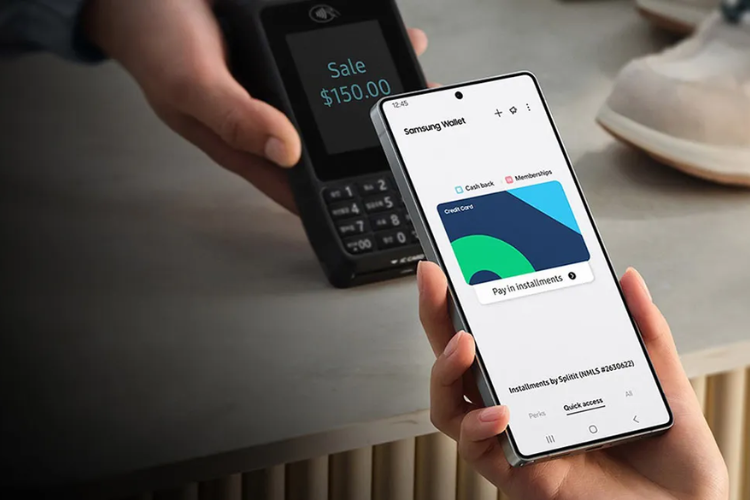
Samsung is bringing cryptocurrency transfers closer to everyday smartphone users. The company has announced that eligible Galaxy users in the United States will be able to send and receive USDC through Samsung Wallet, the same app many already use for payment cards, digital IDs, and boarding passes.
The feature is designed to make stablecoin transfers easier without requiring users to install a separate crypto wallet or manage private keys themselves. Samsung says the service is launching in the final week of October 2026.
What Is Samsung Introducing?
The new feature will initially support USDC, a stablecoin designed to maintain a value close to one U.S. dollar. Eligible users will be able to send USDC to compatible cryptocurrency wallets internationally.
Samsung also plans to support transfers to eligible bank accounts in more than 60 countries. In those cases, recipients may receive the money in their local currency without needing to use a cryptocurrency wallet.
The service is being integrated directly into Samsung Wallet, making it easier for users to access digital assets through an app they may already use regularly.
How Solana Fits Into the Plan
Solana is one of the blockchain networks named by Samsung as part of the infrastructure supporting the new feature. Sui is also expected to provide network support.
For users, the goal is to make the blockchain technology less visible. Instead of dealing with complicated wallet setup and network choices, eligible users will be able to initiate transfers through Samsung Wallet.
Solana's role is particularly notable because the network has become an important platform for stablecoin activity. Its speed and relatively low transaction costs can make it suitable for transfers, although actual transaction times and fees can still depend on network conditions and the service provider.
Who Is Supporting the Service?
Samsung is working with Bastion, a regulated stablecoin infrastructure and custody provider, to power the payment framework. Coinbase will act as Bastion's sub-custodian for USDC through Coinbase Prime.
This arrangement means Samsung is not directly holding users' stablecoins. Instead, specialized partners are responsible for custody and the financial infrastructure behind the service.
Samsung has also stated that biometric authentication will be required on registered compatible devices to initiate transfers. This adds a security layer, although users should still protect their devices and accounts carefully.
Will Transfers Be Free?
Samsung says it will not charge users a fee when sending USDC to compatible external cryptocurrency wallets. However, receiving wallets, exchanges, or other service providers may apply their own charges.
Transfers to eligible bank accounts are different. Fees may apply depending on the destination country and the amount being sent. Samsung says the app will show applicable fees and estimated delivery times before users confirm a transfer.
Users should always verify that the recipient wallet supports the correct stablecoin and blockchain network before sending funds. Sending assets through an unsupported network can result in a permanent loss.
What Does This Mean for Crypto Adoption?
One of the biggest challenges for cryptocurrency adoption has been usability. Many people find it difficult to understand wallet addresses, private keys, blockchain networks, and transaction fees.
By integrating stablecoin transfers into a familiar smartphone wallet, Samsung could reduce some of these barriers. The company says the feature will initially be available across 82 million compatible Galaxy devices in the United States.
However, the initial rollout is limited to eligible U.S. users. Samsung has said that future expansion into other markets will depend on local regulations and service availability.
The Bigger Picture
Samsung's move highlights how major technology companies are exploring ways to connect traditional payment experiences with blockchain infrastructure.
Stablecoins may offer a useful option for international transfers, especially when recipients can receive local currency directly into a bank account. Still, users should understand that stablecoins are digital assets, not ordinary bank deposits, and they can carry risks related to custody, service providers, and regulation.
If Samsung's integration proves successful, it could help make stablecoin transfers feel less like a specialized crypto activity and more like a normal digital payment feature.
This article is for informational purposes only and does not constitute financial advice.
Comments 0
Join the conversation
You must be logged in to leave a comment.
Be the first to comment