
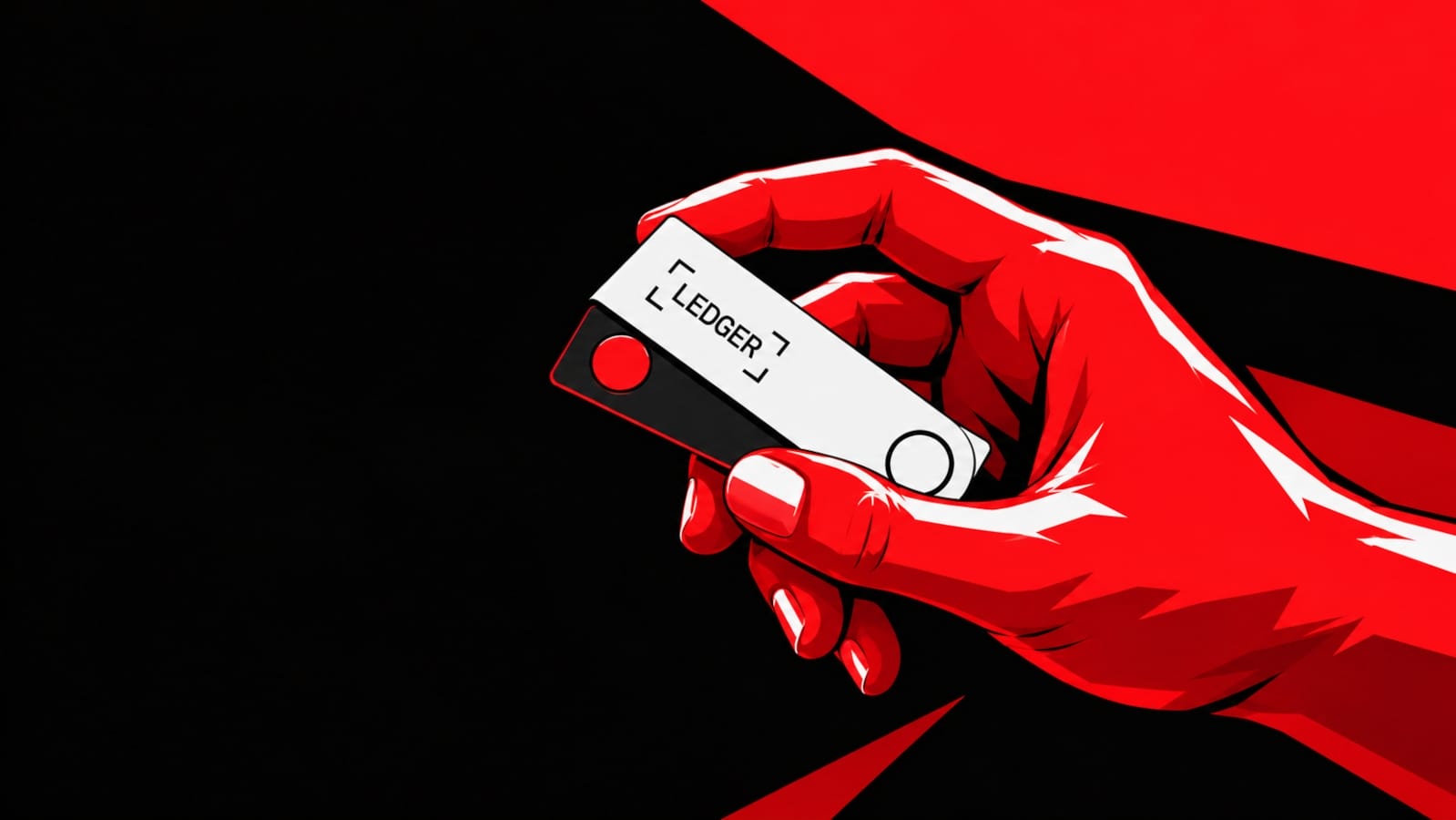
Hardware wallets are widely considered an important tool for protecting cryptocurrency, as they are designed to keep private keys isolated from internet-connected devices. However, a recent security incident involving Ledger devices has highlighted a risk that even experienced crypto users may overlook: the possibility of tampering before a device reaches its owner.
On October 12, 2026, cybersecurity publication BleepingComputer reported that Ledger had confirmed an unauthorized hardware implant in a device connected to reports of cryptocurrency theft. The affected devices were linked to CryptoBilis, a Malaysia-based reseller operating across Southeast Asia.
The incident is a reminder that hardware security depends not only on the device itself, but also on the integrity of the supply chain through which it is purchased and delivered.
What Happened?
Ledger began investigating reports of users losing cryptocurrency from wallets associated with devices purchased through CryptoBilis. On October 9, the company said it was investigating the reports and asked the reseller to stop selling and shipping Ledger devices.
The following day, Ledger confirmed that at least one affected device contained an unauthorized hardware implant. The company said it was contacting impacted users and working with authorities to investigate the incident.
According to the report, researchers examining suspected devices identified additional electronic components that did not belong in the original hardware design. The investigation has focused on how the devices were modified and how the unauthorized components could have contributed to the thefts.
Ledger described the number of affected reports as limited. The available information does not establish that all Ledger devices, or devices purchased through every reseller, are affected.
How Could a Hardware Implant Steal Cryptocurrency?
A hardware wallet is designed to protect the private keys used to authorize cryptocurrency transactions. Normally, users review transaction details on the device and physically confirm operations before they are signed.
However, a device that has been secretly modified before purchase may not provide the security its owner expects. Researchers cited in the report described suspected implants capable of monitoring information displayed on the device and recording button presses. They reported that the modified hardware could transmit captured information through a cellular connection.
If an attacker obtains a wallet's recovery phrase, the consequences can be serious. A recovery phrase can allow someone to restore the wallet on another compatible device and gain control of its associated assets.
This is different from remotely hacking every genuine hardware wallet. The reported incident involves suspected physical tampering with specific devices, making the source and handling of the hardware particularly important.
Why Buying From Authorized Sellers Matters
Many cryptocurrency users focus on software updates, passwords, and recovery phrase storage. Those precautions remain essential, but the purchase process also matters.
Unauthorized sellers and unfamiliar online marketplaces can create additional uncertainty. A device may be counterfeit, modified, previously returned, or supplied through a distribution chain that is difficult to verify.
For this reason, users should purchase hardware wallets directly from the manufacturer or from an officially authorized reseller. A discounted price is not worth risking the security of an entire cryptocurrency portfolio.
Ledger also provides a Genuine Check mechanism, but the report notes that such checks may not detect every possible physical modification. Authentication tools are useful, yet they should not replace purchasing from a trusted source.
What Should Owners of Potentially Affected Devices Do?
Ledger has advised customers who purchased devices through the affected reseller not to begin setting up an unused device. Users who have already configured a potentially affected device have been advised to consider moving their assets to a new Ledger signer using a new recovery phrase.
If you believe your device may be affected, consider these precautions:
- Check where you purchased it. Review the seller and order history to determine whether the device came through the reseller identified in the investigation.
- Follow verified security instructions. Use Ledger's official website and support channels rather than links sent through unsolicited messages.
- Do not share your recovery phrase. No legitimate support representative needs you to disclose it through a website, chat, email, or phone call.
- Use a trusted replacement device. If migration is recommended, obtain the replacement from an authorized source and create a fresh recovery phrase on the trusted device.
- Never enter your recovery phrase into an unfamiliar website. Be especially cautious of people offering to inspect, repair, or secure your wallet remotely.
Anyone who suspects that their recovery phrase has been exposed should treat the associated wallet as potentially compromised and seek verified guidance on moving remaining assets safely. Transactions should be checked carefully before they are confirmed.
Does This Mean Hardware Wallets Are No Longer Safe?
No. Hardware wallets remain an important security option when used correctly, but no security product can eliminate every risk. This incident illustrates that the protection offered by a device can be undermined if its hardware is compromised before it reaches the customer.
The lesson is not to abandon hardware wallets. Instead, users should combine trusted purchasing channels with secure setup procedures, careful recovery phrase management, and awareness of official security advisories.
Manufacturers and distributors also have a responsibility to maintain supply-chain controls, investigate suspicious devices, and communicate promptly when a credible threat is discovered.
Final Thoughts
The Ledger incident demonstrates why cryptocurrency security involves more than choosing a reputable brand. The authenticity and integrity of the physical device are also essential, especially when that device protects assets that cannot easily be recovered after theft.
Crypto holders should verify their seller, avoid suspiciously discounted hardware wallets, and take manufacturer warnings seriously. Most importantly, recovery phrases should remain private and should only be handled according to the trusted wallet's official security procedures.
As cryptocurrency adoption grows, protecting digital assets will require attention to every stage of the security process, from manufacturing and distribution to everyday wallet use.
This article is for informational purposes only and does not constitute financial or investment advice.
Comments 0
Join the conversation
You must be logged in to leave a comment.
Be the first to comment